
The 3E Program is transforming how early education is seen and delivered in Anganwadi centres. Instead of just delivering training, we walk alongside Anganwadi teachers and ICDS officials—co-creating practical, hands-on modules that make learning joyful and meaningful for young children. Across each zone/blocks, Anganwadi workers and helpers gather for in-person sessions—not just to learn, but to be engaged. These sessions become spaces of shared learning, where experiences are exchanged, and confidence is built. To turn vision into reality, the program is backed by proving our work in five replicable Anganwadi centres, where children experience daily, play-based, and developmentally appropriate learning. These centres were supported consistently over two years, with ICDS officials providing regular mentoring—not for monitoring alone, but to problem-solve together.


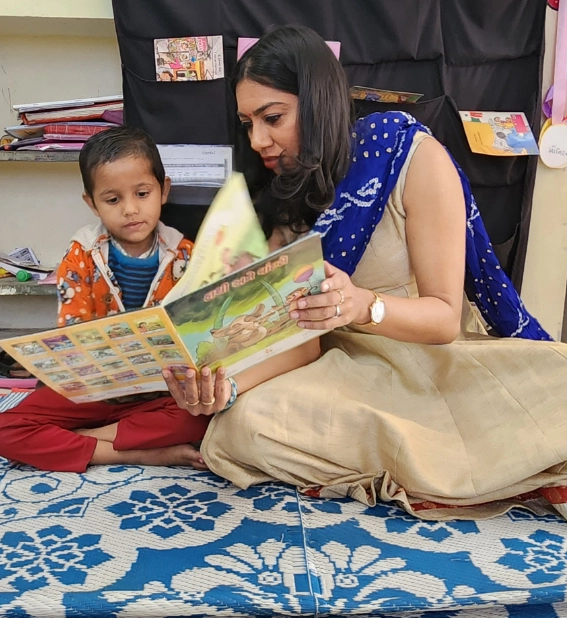
Ecosystem empowerment by engaging all the stakeholders (Teachers & leaders) with meaningfully relevant content, enabling them with the right tools and methods, thereby empowering them to sustain the practices for CHILDREN

We engage with Anganwadi workers with context-specific and relevant training content. The focus is on strong key takeaways that directly connect learning to classroom needs, while ensuring all relevant content is practical and immediately applicable to everyday teaching practices.

Teachers are enabled with experiential learning, effective tools, and proven methods. This ensures they can easily apply their learning in real classroom situations.

Teachers are empowered to adopt independent practices and build confidence in decision-making. The program nurtures self-motivation & innovation, fostering sustainable improvement in teaching.
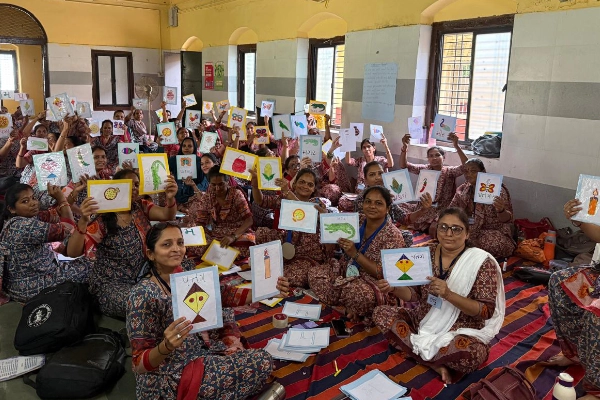

Teachers are empowered to adopt independent, reflective practices and build confidence in instructional decision-making. The program cultivates self-motivation and innovation, driving sustained improvement in teaching quality.
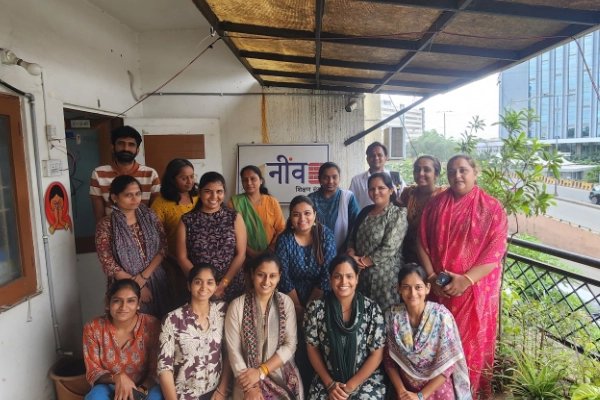

PSEI serves as NSS’s support system - like a steady chariot that moves the program forward. As block-level resource centers, PSEI strengthens our work through regular quality checks and on-field monitoring of M&E practices, while NSS focuses on their capacity building. Together, this partnership ensures continuous improvement, accountability, and meaningful impact at the grassroots level.
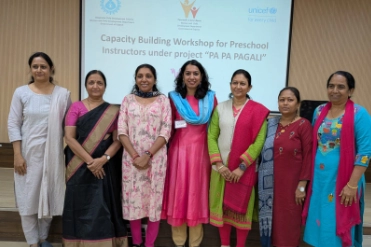

District Leadership plays a vital role in strengthening the field, guiding the overall direction of early childhood education efforts.
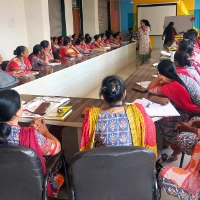
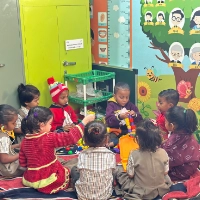
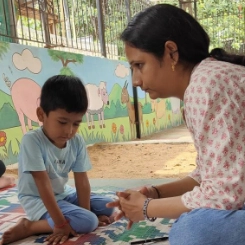
To cultivate an Anganwadi Teacher workforce with a strong foundation in theory and practice, fostering better attitudes, knowledge, and skills. At the core of our teacher training program lies a teaching philosophy aligned with the psychological foundations of ‘adult learning principles’.


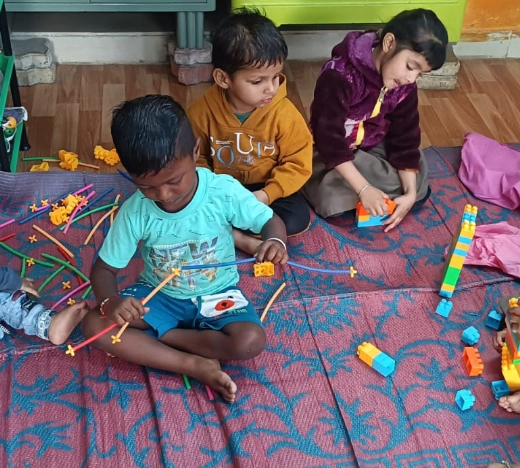
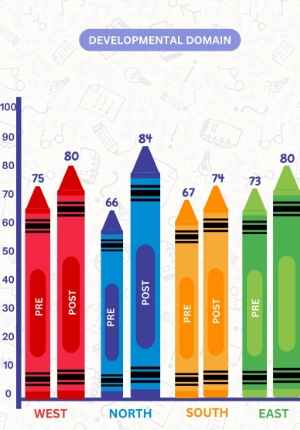
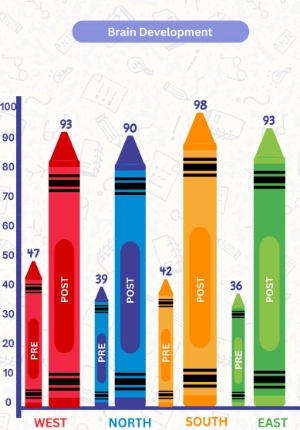
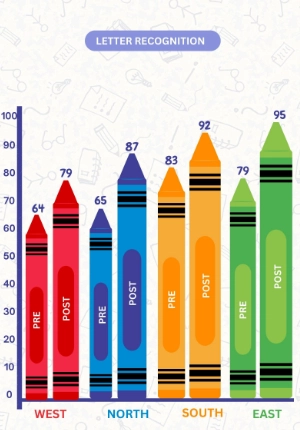
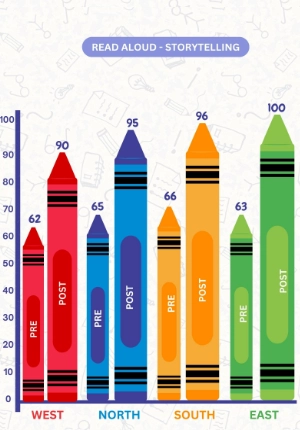
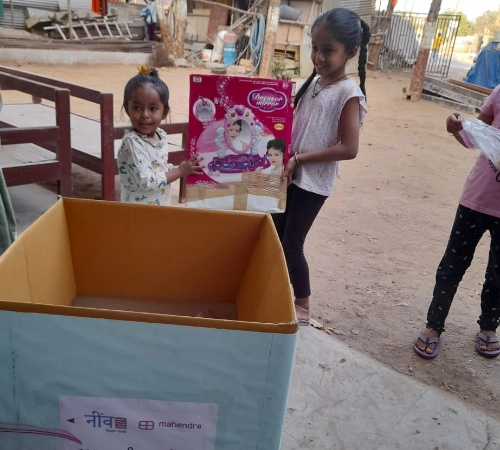
The Toy Library initiative by Neev Shikshan Sanstha aims to foster a love for learning through play. This program provides children access to a variety of toys, games, and puzzles, enhancing their cognitive and motor skills while promoting social interaction and creativity. By integrating play-based learning, the Toy Library supports early childhood development, helping children explore, imagine, and learn in a stimulating environment. This initiative also serves as a community resource, offering parents and caregivers tools to engage children in meaningful and educational play. Additionally, the Toy Library fosters community bonds and encourages shared learning experiences among children and their families. By creating a supportive and enriching play environment, the Toy Library contributes to the overall well-being and holistic development of young children in their community spaces.